About me
Industrial Design
Engineer turned
Product Designer.
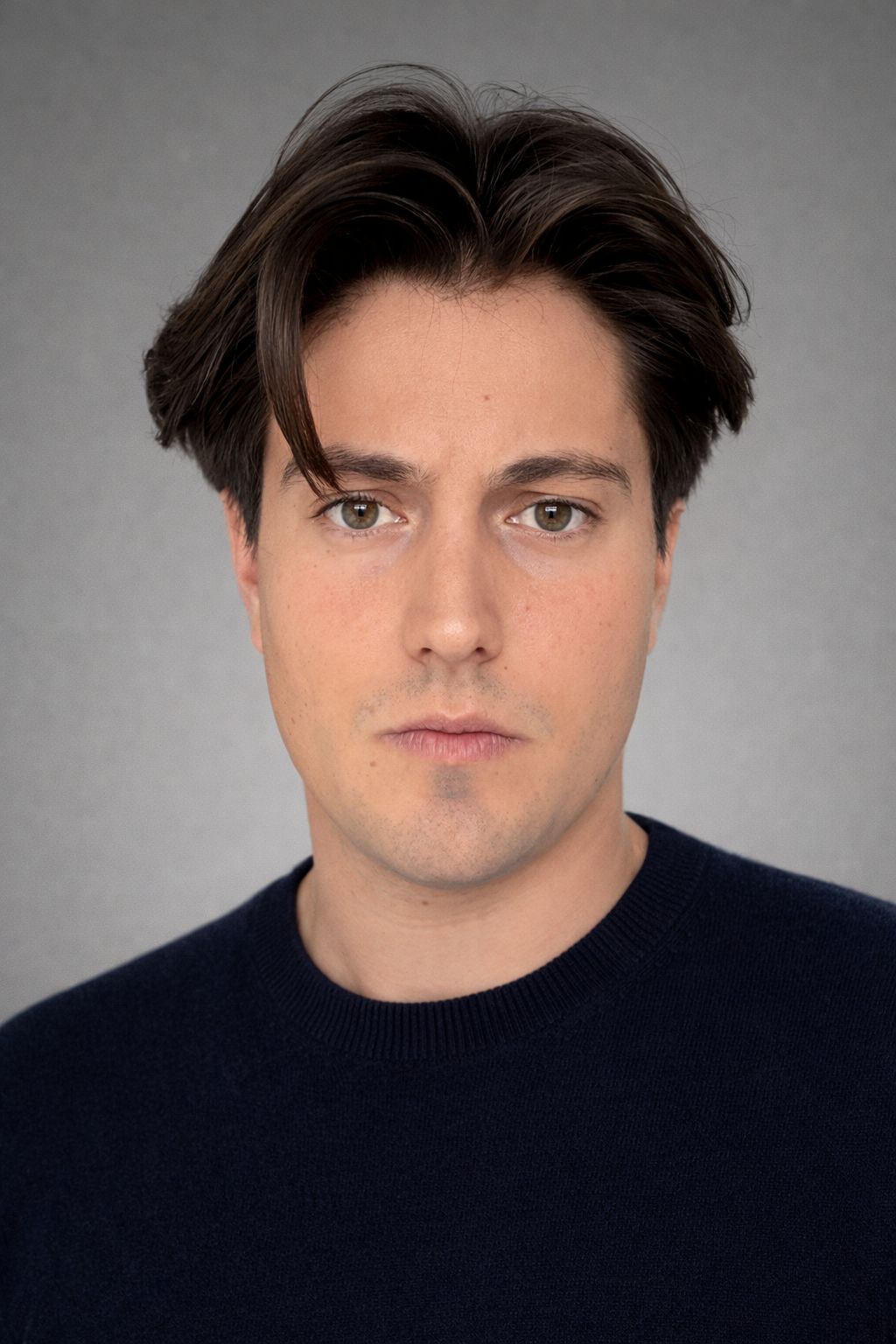
I studied Industrial Design Engineering in Barcelona, a discipline that starts with materials, tolerances, and manufacturing constraints before you ever think about aesthetics. That instinct stuck. I still start with constraints.
Eight years later I design complex enterprise systems, permission architectures, platform consolidations, AI-augmented workflows. The problems are different. The instinct is the same: understand the structure first, then make it clear.
Outside of work I shoot street portraits under the handle @arshott. Framing a shot in a fraction of a second trains the same instinct as design: what matters, what to cut.
Career
Eight years, five roles, one consistent instinct.
Built a human-centric communication framework for personalisation and sustainability storytelling in digital packaging. Contributed to VR projects creating immersive brand experiences.
Designed urban mobility products end to end using 3D modelling, rendering, and sketching. Introduced augmented reality to simulate real-world product usage, contributing to a 23% increase in sales.
Designed HP's first internally built UX product in the vertical: a mobile expense management app rolled out globally to 455,000 employees. Reduced average submission time from 46 to 19 minutes (58% improvement), with projected savings of 204,750 hours annually. 4.8/5 post-launch satisfaction.
Led end-to-end design of the unified Brand Protection Platform serving 3,800+ IP analysts globally. Reduced enforcement time per listing by 42%. Sole designer across 6 engineering teams and 4 product owners simultaneously. Promoted to Senior within the role based on impact.
Shipped Thread Replies for Communities, leading design of RBAC with a Claude Code prototype, and built an AI-powered UI generation workflow. 18+ screens shipped. Highest performance rating in the organisation: Unmatched Excellence, FY26.
How I think
Four things that shape every project I work on.
The model before the mockup.
I start with the underlying data model and information architecture before any interface decisions. The RBAC system had three competing architectural models explored on paper before the first screen was drawn, because that choice determines everything downstream.
Research generates questions, not answers.
Most designers use research to confirm a direction. I use it to find the questions I hadn't thought to ask. The HP project started with an assumption about mobile friction, interviews revealed the real problem was cognitive load from context-switching, not the form itself.
Complexity is a design failure.
If a system feels complex to the person using it, the designer hasn't finished yet. My measure of a successful design is how little the user has to think, and how much that still holds six months after launch when edge cases arrive.
Prototypes are arguments.
A prototype is not a preview of the design, it is the design making a case for itself. I build functional prototypes in code when the experience cannot be communicated in static frames. Stakeholders give feedback on actual experience, not speculation.
Outside work
The things that make me a better designer without trying to.
Street portrait photography
I shoot street portraits under @arshott. The discipline is identical to design: you have a fraction of a second to read a situation, decide what matters, frame it, and commit. No undo.
It trained me to see signal in noise, and to stop overthinking and act on incomplete information. Both transfer directly.
Travelling solo
30 days across China, the Great Wall, Zhangjiajie, the hutongs of Beijing. Solo travel forces you to navigate unfamiliar systems with no safety net: transport, language, cultural norms.
That experience made me more empathetic to users who encounter unfamiliar systems daily, and more comfortable with ambiguity when a brief is incomplete.
Get in touch
Open to Senior and Lead
Product Design roles.
Amsterdam-based, open to relocation to Singapore or London. Available for a conversation now.