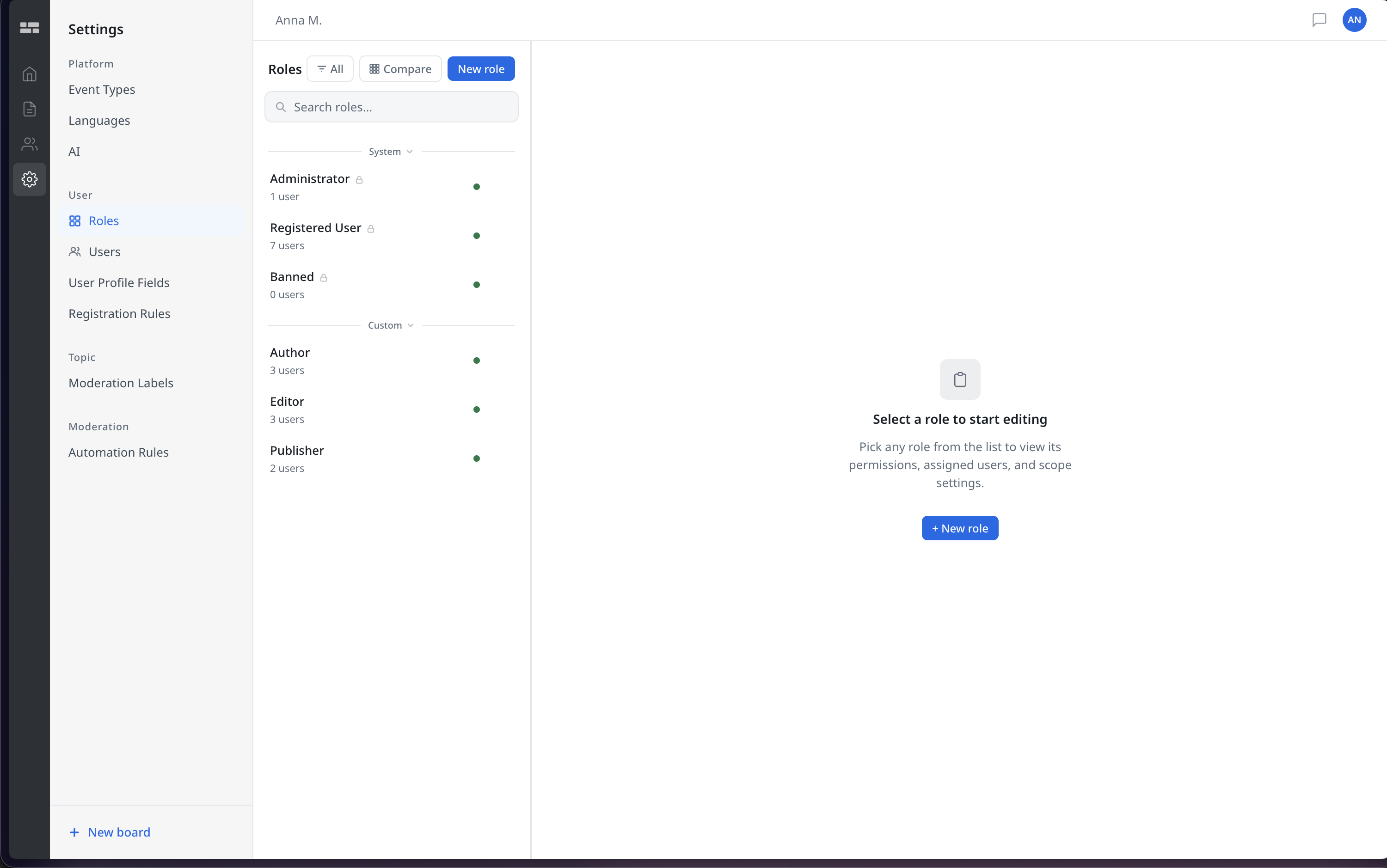
How Design Became the Engineering Layer
What started as two people building something nobody asked for is now the standard design-to-code workflow for three platforms at Gainsight. 20+ screens shipped, zero rewrites, and formal sign-off from product, engineering, and UX leadership.
120 admin pages. No shared component library. No documentation. A PHP/Yii stack that made every UI improvement impractical. A full rewrite was off the table.
Years of building functionality first had left the admin platform deeply inconsistent: old styles next to new ones, identical components looking different across pages, interaction patterns varying for no reason. Not one broken thing, hundreds of small decisions made independently over years, with nothing connecting them.
Every UI improvement meant writing PHP views, custom SCSS, and jQuery by hand. Modern patterns were possible in theory. In practice, the effort required made them disappear from roadmap conversations before they started. The chaos had been there long enough to feel normal.
We agreed on one rule before doing anything else: show something real before saying a word to anyone.
I'd been using Claude Code in my design work for a while, gradually shifting from prototyping tool to something more structural. The conversation that started this happened in the office. I was complaining about the state of Control's admin UI to Amit, a developer equally frustrated from the engineering side.
He said the generation problem might be more automatable than it looked. I said I wanted to try. We didn't ask for permission, we just started, not on the roadmap, not scheduled, built in parallel with normal work because it needed doing.
The design system is not just a component library. It is the shared language that makes AI generation reliable, consistent inputs produce consistent outputs.
Since I had no repository access, I used Claude Code to scrape the live Control platform and generate a structured inventory of every UI pattern across all 120 pages. Underneath the visual inconsistency, the interaction patterns were more coherent than they looked — the chaos was mostly CSS and layout, not structure. That meant mapping to an existing component system was possible.
Amit built the architecture that connected the component library to the live platform: a React islands model, self-contained React apps embedded directly into the existing PHP/Twig pages via Vite. The PHP backend handles routing, sessions, and data as before. No migration. No rewrite.
With a well-documented, typed component library in place, Claude Code can generate a complete screen from a prototype or description: React component, TypeScript data layer, PHP controller, routing, and navigation, ready to deploy. What previously took days of PHP template work now happens in a single session, because the design system gives the model something consistent enough to generate from.
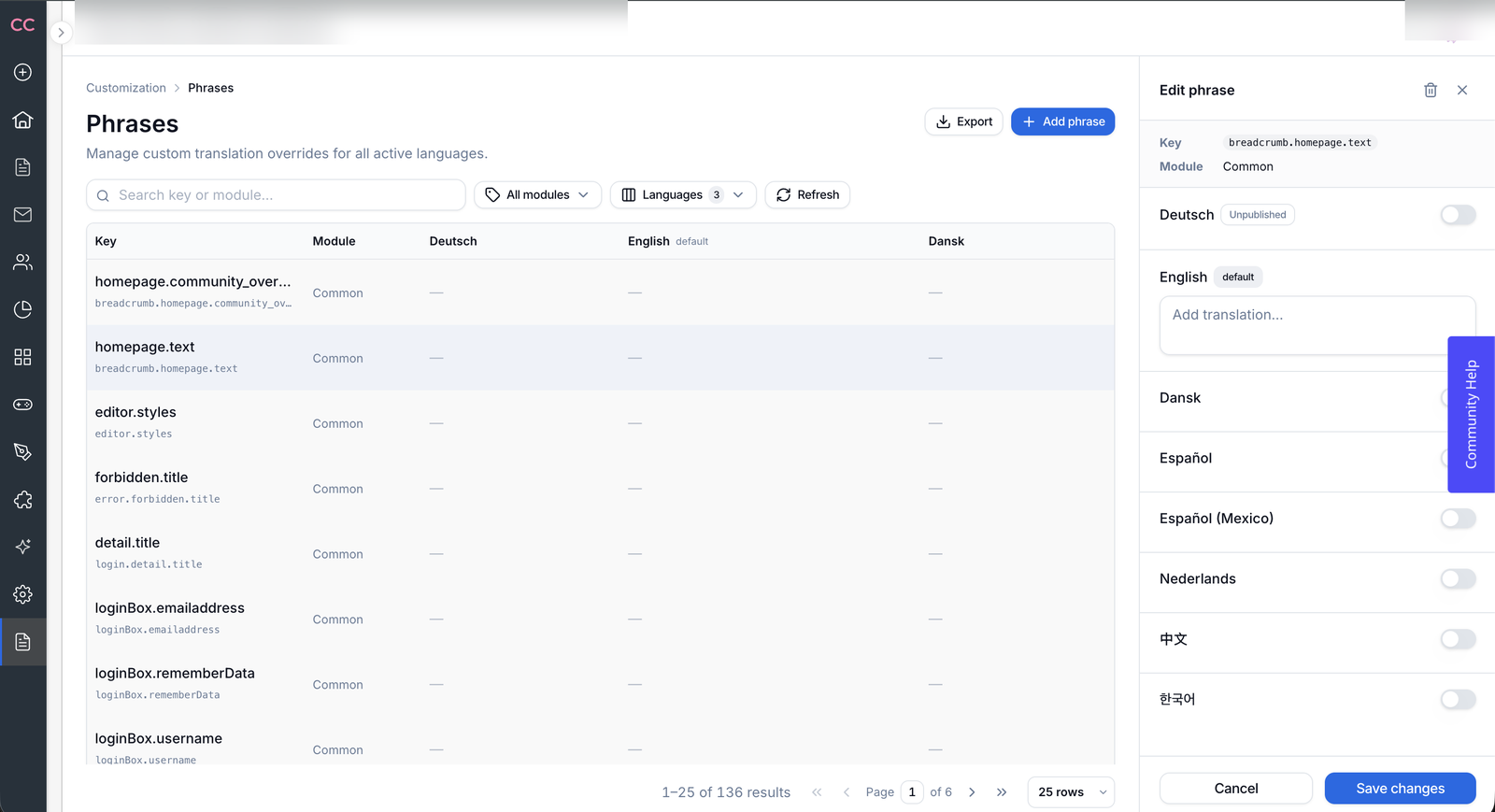
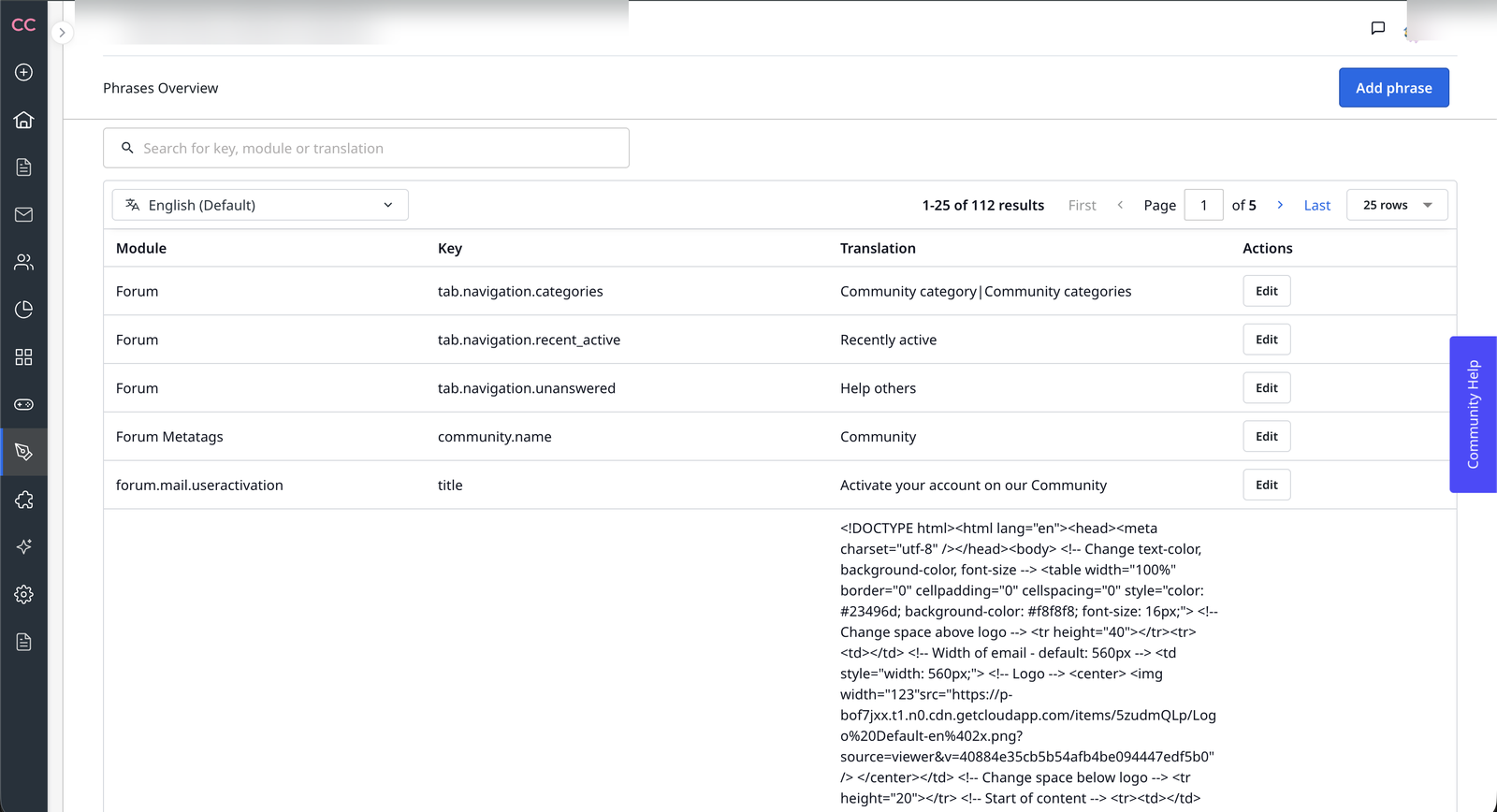
Phrases & translations, regenerated from a description in a single session. Backend untouched. · drag to compare
By the time we reached the wider group, the question was how, not whether.
We were deliberate about the order. Allies first: my manager and the design team, people who would engage constructively and sharpen the pitch. Engineering leads next, where Amit's credibility as a developer from the inside removed every objection I couldn't answer alone. By the time we reached product stakeholders, the demo had already built its own momentum.
We never led with the technology. We led with the problem. Everyone in that room had looked at Control and wished it was better. The demo didn't need explaining, it just needed to run. That momentum carried through to a formal sign-off across product, engineering, and design leadership.
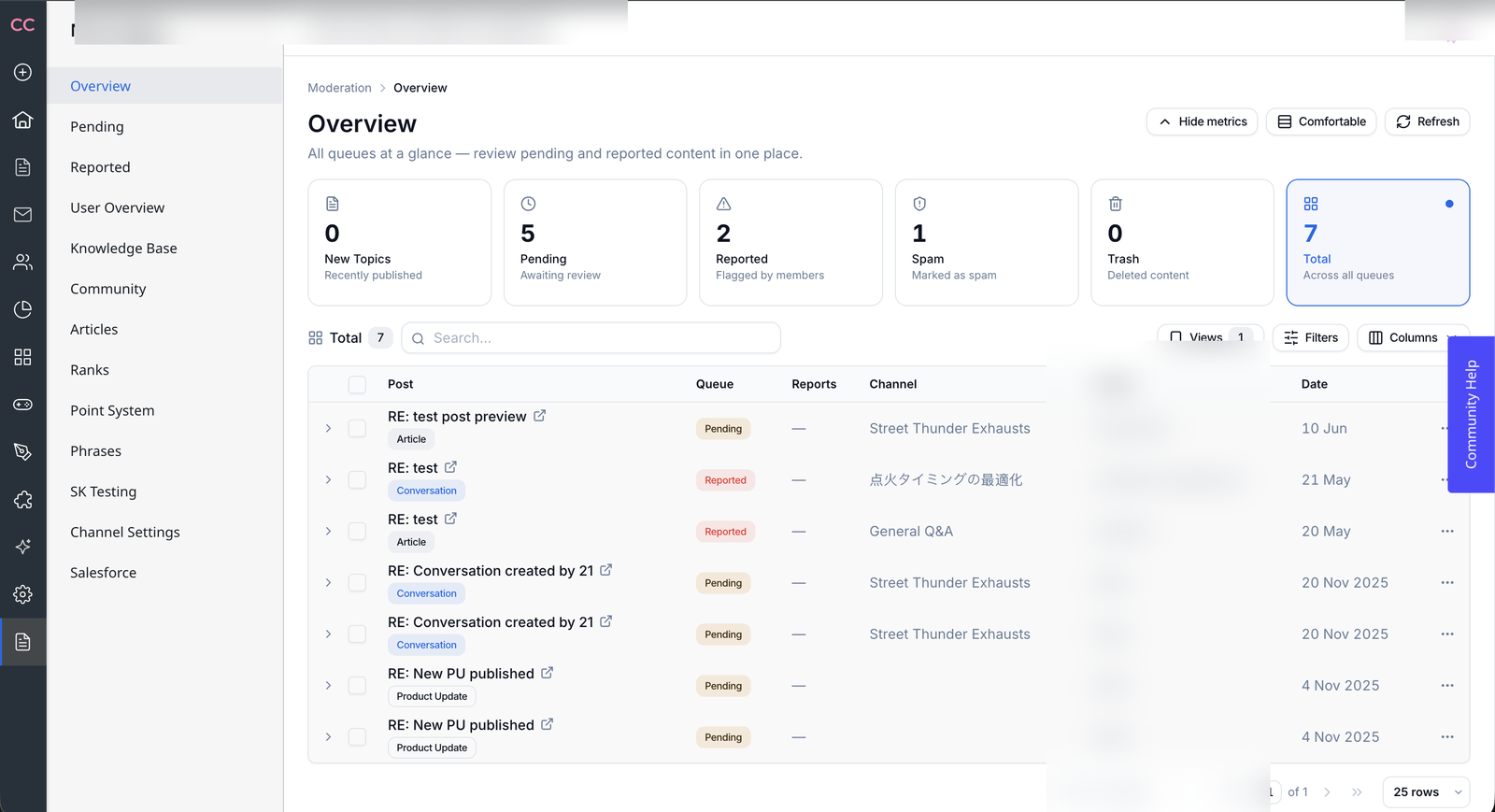
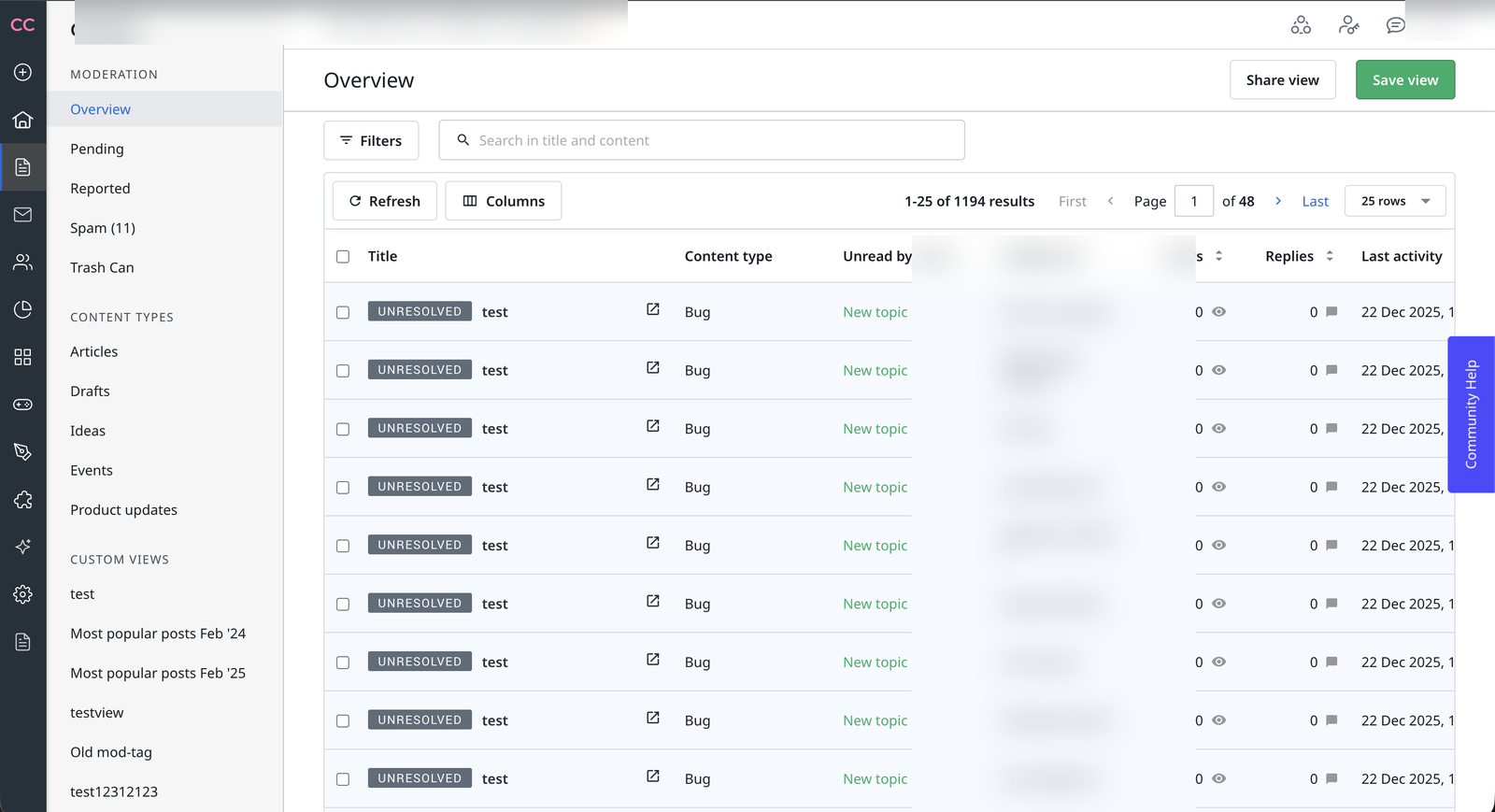
Moderation Overview, the screen that made the argument. Not restyled. Rethought. · drag to compare
Legacy-first: validate the workflow, prove quality in production, build team confidence before touching the pages users depend on daily.
With approval in place, I mapped all 120 Control pages into page types, manually, page by page, since no documentation existed. Nine templates emerged covering the full surface area. Once built and validated, any page can be regenerated by dropping it into the right template and running it through the workflow.
The sequencing was deliberate: start old and low-traffic, validate without risk, deprecate legacy code, build team confidence. High-traffic pages come next, once production quality is proven. The worst thing that could happen to this initiative was shipping something broken on a page thousands of people use every day.
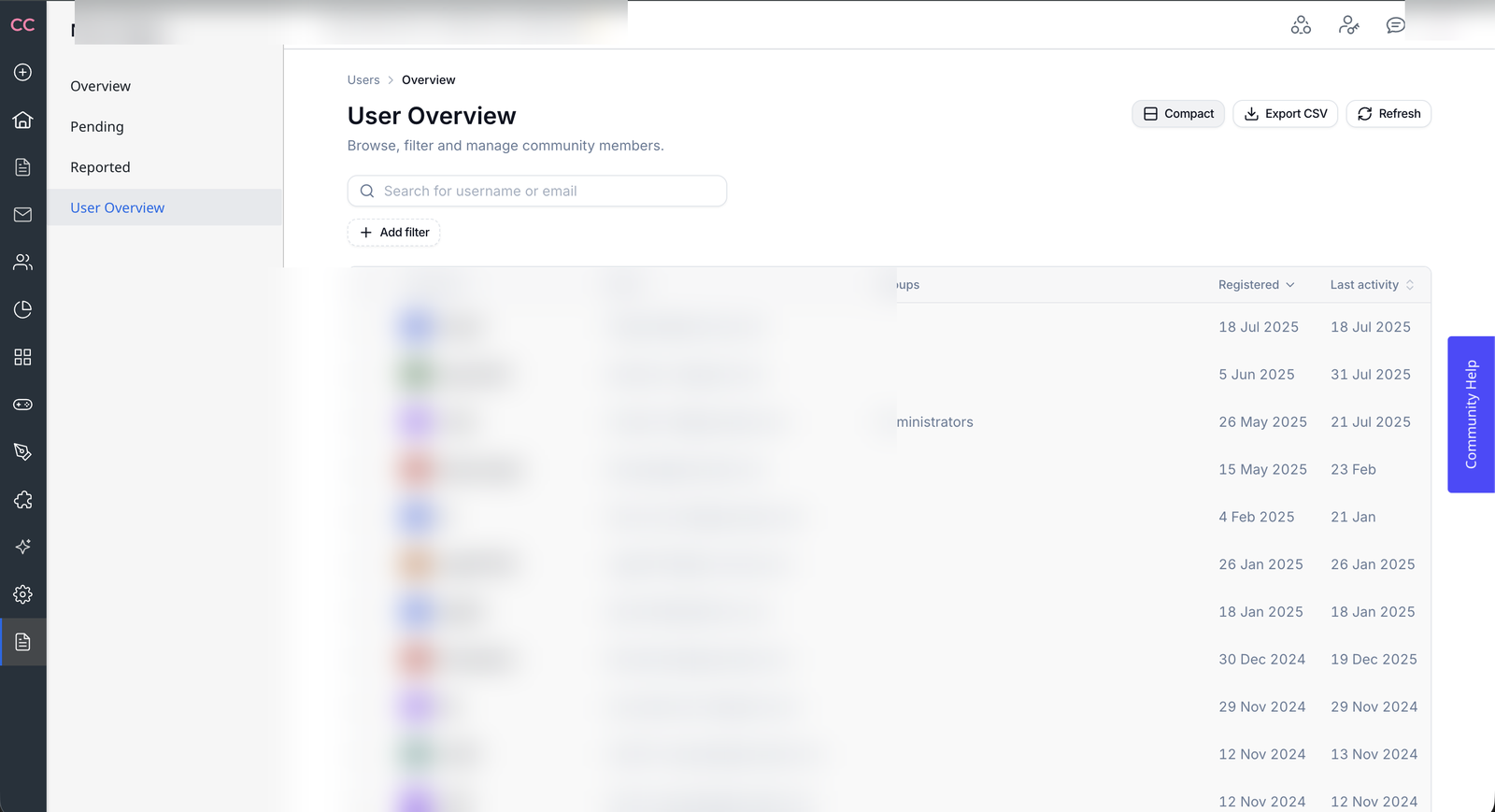
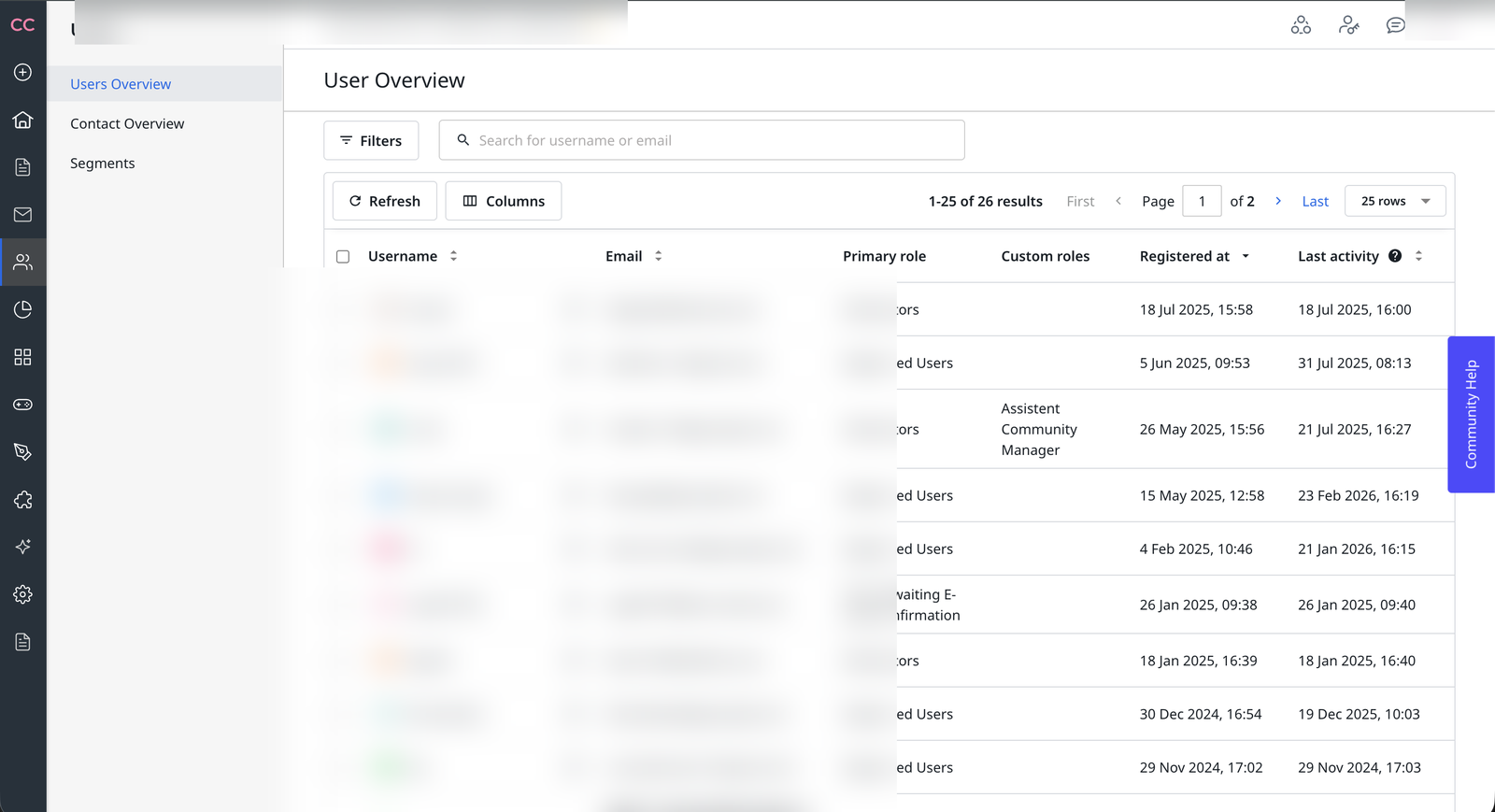
User management, built from the Table/List template. One of nine. · drag to compare
Developers review and refine. They no longer interpret and rebuild.
Once approval came through, FE developers were brought into the workflow. Their job shifted: instead of receiving Figma specs and building their own interpretation, they now receive working code generated directly from the design system and refine it for production. The gap between design intent and deployed output closed almost entirely.
In parallel, we're optimizing the skills/md files, the instruction layer that tells Claude Code exactly how to use the component library and what patterns to follow. Better-calibrated skills mean more consistent output from the first pass and fewer revision rounds. The goal isn't just to generate screens faster. It's to make generation reliable enough that FE review becomes a quality check, not a rebuild.
What started on one legacy platform is now the standard workflow across the organisation. Not a tool adoption, a new way of working.
Control is no longer the only platform running this workflow. The same audit-to-template methodology is now being applied to Gainsight's Education platform and Analytics platform — both actively in progress, not planned future work.
This is the part of the story that emerged after initial adoption: what started as two people frustrated enough to try something without being asked has become organisational infrastructure, with formal sign-off and a growing list of platforms depending on it.
Design quality problems inside legacy products are almost never engineering capacity problems. They are shared-language problems.
The easy read on this project is that it's about AI tooling. The more important thing it demonstrated: when design and engineering don't have a common foundation, every screen is a negotiation. The design system solved that, not by replacing engineers, but by giving Claude Code something consistent enough to generate from and developers something reliable enough to ship from.
This started because two people were frustrated enough to try something without being asked. A lot of problems that accumulate in legacy products sit outside anyone's formal remit. Waiting for this to appear on a roadmap would have meant waiting indefinitely.
Further reading: The shared-language problem →No PM. No brief. No roadmap item. We created the mandate.
Role-Based Access Control
The existing permission system had no concept of scope, an Editor was an Editor everywhere, forcing admins into role explosion or over-provisioning. I designed a new RBAC architecture, co-designed the backend data model with engineering, resolved a high-stakes architecture debate between two competing backend approaches, and built nine functional prototype versions with Claude Code to drive alignment before a single sprint was scoped.
Read case study →